
The Research Behind No White Shorts
A simple uniform change can remove a real barrier.
No White Shorts is built on a simple idea: athletes should not have to worry about period leaks, visibility, embarrassment, or uniform anxiety while trying to compete.
Research across adolescent health, sports psychology, and women’s sport shows that menstruation-related anxiety can affect concentration, confidence, and participation in athletic environments. For school-aged athletes, those concerns are often heightened by social visibility, lack of accommodations, limited access to menstrual products, and uniform designs that make leaks or stains feel more visible.
White or light-colored uniform bottoms may seem like a tradition. But for many athletes, they create unnecessary stress.
This initiative is not about changing the game.
It is about removing one more barrier so girls can stay in it.
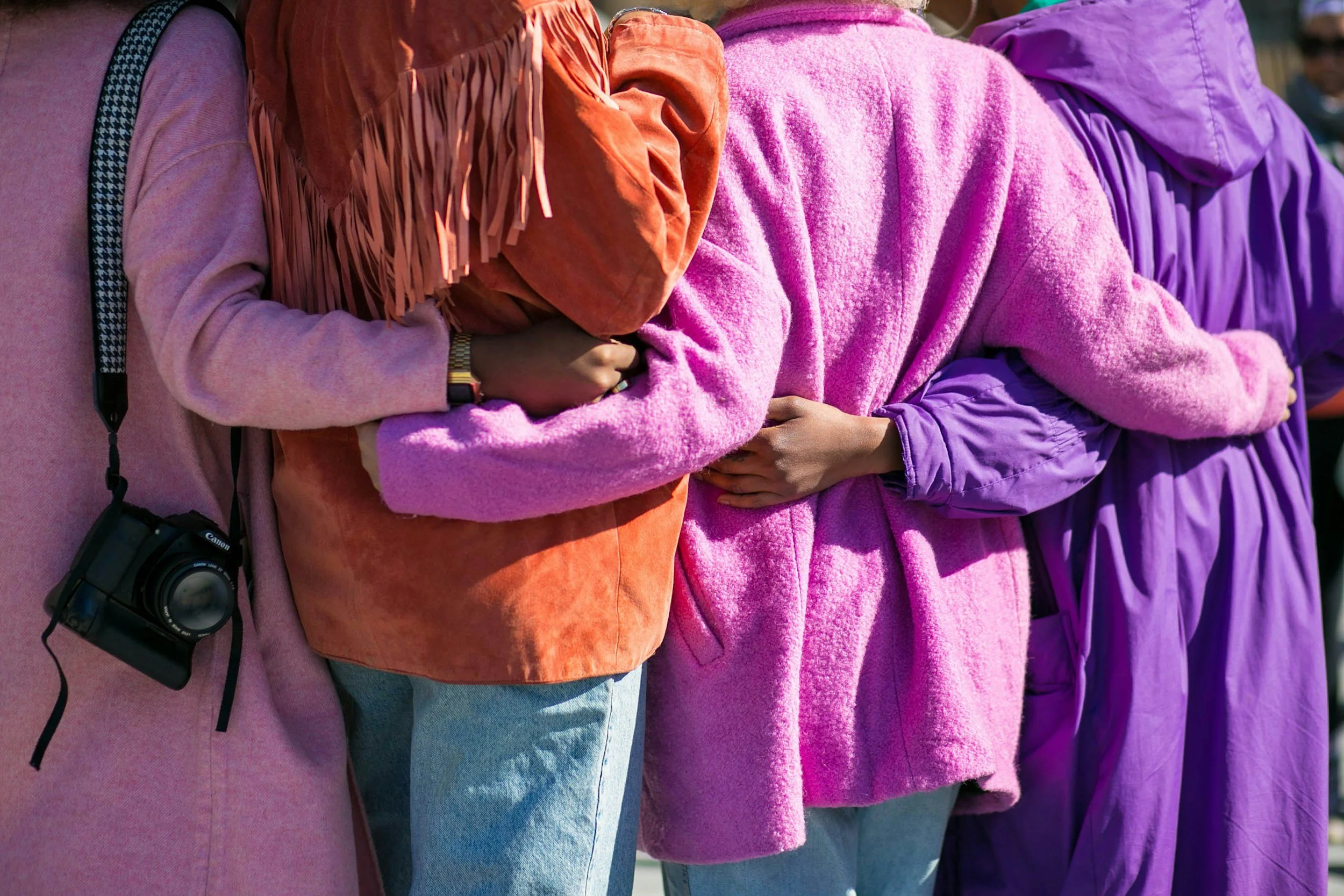
Period anxiety is more than discomfort. It can affect how an athlete feels, prepares, moves, and participates.
Studies on menstruation and athletic performance have found that menstrual symptoms can influence athletes’ perceived readiness, confidence, concentration, and participation. Research cited in the Vermont policy pathway notes that menstruation-related anxiety can reduce concentration and perceived readiness to compete, even among otherwise healthy athletes.
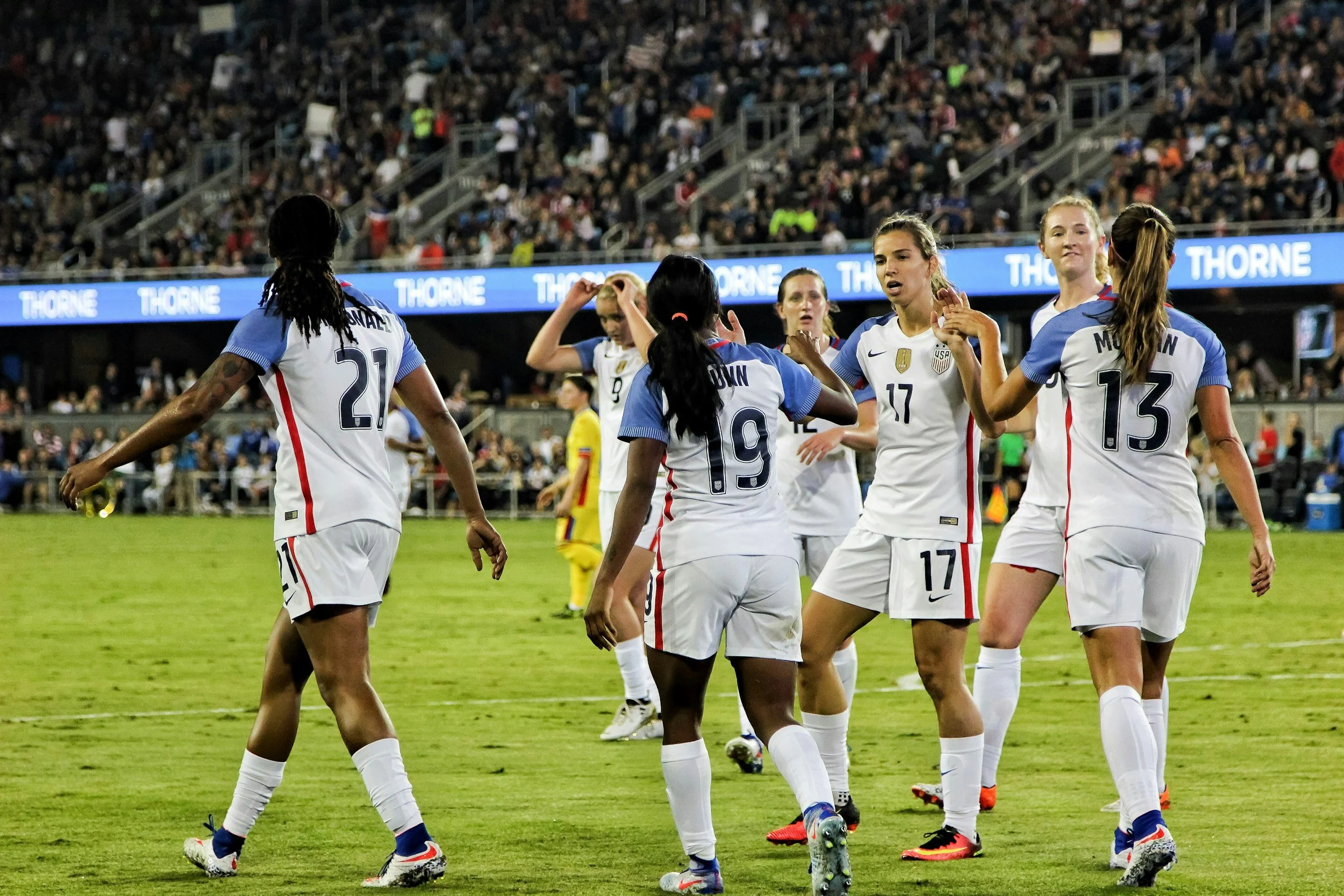
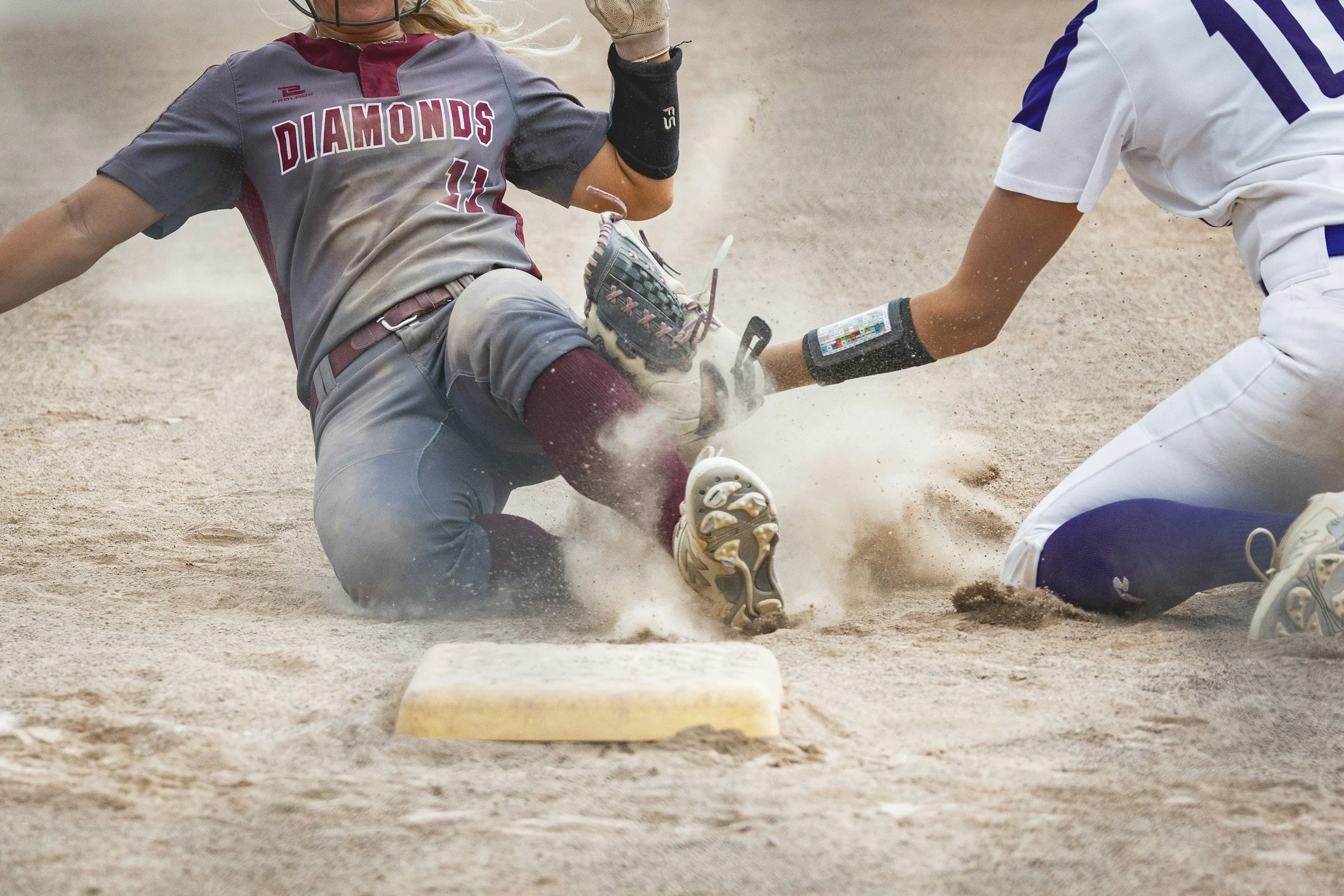
For adolescent athletes, the issue is especially important. School sports are highly visible environments. Athletes are often competing in front of peers, coaches, families, and communities. The fear of bleeding through a uniform — especially a white uniform — can be enough to distract an athlete, reduce confidence, or discourage participation.
Uniforms Send a Message
Uniforms are part of team identity. They also shape how comfortable and confident athletes feel while competing.
Research and participation studies have identified menstruation as a barrier to girls’ participation and retention in sport. Uniform discomfort, lack of product access, and fear of embarrassment are all part of the larger picture.
For some athletes, white shorts or white uniform bottoms add another layer of stress:
They may worry about visible leaks.
They may avoid full effort because they are distracted.
They may skip practice or competition during their period.
They may feel embarrassed asking for help, backup clothing, or menstrual products.
These are preventable barriers.
No athlete should have to choose between participating fully and feeling exposed.
What We Are Hearing from Student-Athletes
Vermont female student-athletes have raised concerns about how current uniform designs impact their comfort, confidence, and performance. Students have specifically expressed a desire for more choice in uniform options, including alternatives to white shorts.
That matters.
Policies and practices that affect student-athletes should be informed by student-athletes. When students tell us that uniform color affects how they feel and perform, we should listen.
This work is not about assuming every athlete feels the same way. It is about creating options, reducing anxiety, and making sure tradition is not prioritized over participation.
This Is Also an Access Issue
Period anxiety does not affect every athlete equally.
Students with reliable access to menstrual products, backup clothing, private spaces, and supportive adults may be better able to manage menstruation in sport. But students without those resources may experience greater stress and fewer options.
The research summary used in Vermont’s policy pathway notes that girls from lower-income backgrounds report higher anxiety around menstruation, and that lack of access to products and backup clothing increases stress.
That makes this both a participation issue and an equity issue.
Removing white uniform bottoms is one practical step schools and athletic organizations can take to reduce unnecessary stress for athletes. It should be paired with broader support, including access to menstrual products, flexible uniform options, and adult education around female athlete health.

What the Rules Allow
This work is rules-compliant.
NFHS uniform rules do not require white shorts in girls’ sports. In soccer, NFHS guidance specifically notes that shorts may be a color unlike the jersey and that white shorts are not necessary with a white jersey top.
The Vermont policy pathway also notes that field hockey, lacrosse, and basketball rules allow flexibility in uniform bottoms, as long as teams remain uniform and meet sport-specific requirements. White is often a tradition or default ordering choice, not a mandate.
That distinction matters.
If the rules allow athletes to wear darker uniform bottoms, then schools, leagues, and governing bodies have an opportunity to make a better choice.
Replicate it!
work
A 12-month, NFHS-aligned implementation and replication framework.
An evidence-based program design for Vermont middle and high schools — and a free, open playbook for any state athletic association ready to do the same work. The white paper documents the research, the three-pillar framework, the five implementation phases, the measurement plan, and the replication strategy. No fundraising. Just the program.
- The Problem: Why Girls Leave Sport
- The Evidence Base
- The Cultural and Regulatory Moment
- Program Framework: Three Concrete Pillars
- Implementation Phases
- Measurement and Evaluation
- Replication Strategy
- Limitations and Open Questions
- Conclusion
- References